Why Your Choice of School Matters
The Hidden Carbon Cost of Language Learning
By Ritmo del Río
SAN RAFAEL, Antioquia — Every time we travel, we leave a footprint. The flights, the transport, the energy we use—all of it adds up. For conscious travelers, this is a growing concern. You want to explore, learn, and grow. But you also want to minimize the impact you leave behind.
At Ritmo del Río, we believe your journey to learn Spanish can be part of the solution, not the problem.
Flying to Colombia from the US or Europe generates about 1.4 metric tons of CO₂ per passenger (ICAO data). The average person in the Global South emits less than 2 tonnes per year . That means one round-trip flight can nearly double someone's annual carbon footprint.
The good news is that every day, more conscious travelers choose regenerative experiences that offset their impact. They can do this while learning Spanish in nature, having an authentic experience and leaving a good print in the place they visit.
To achieve this, you have to choose the right place.
How Ritmo del Río Is Different
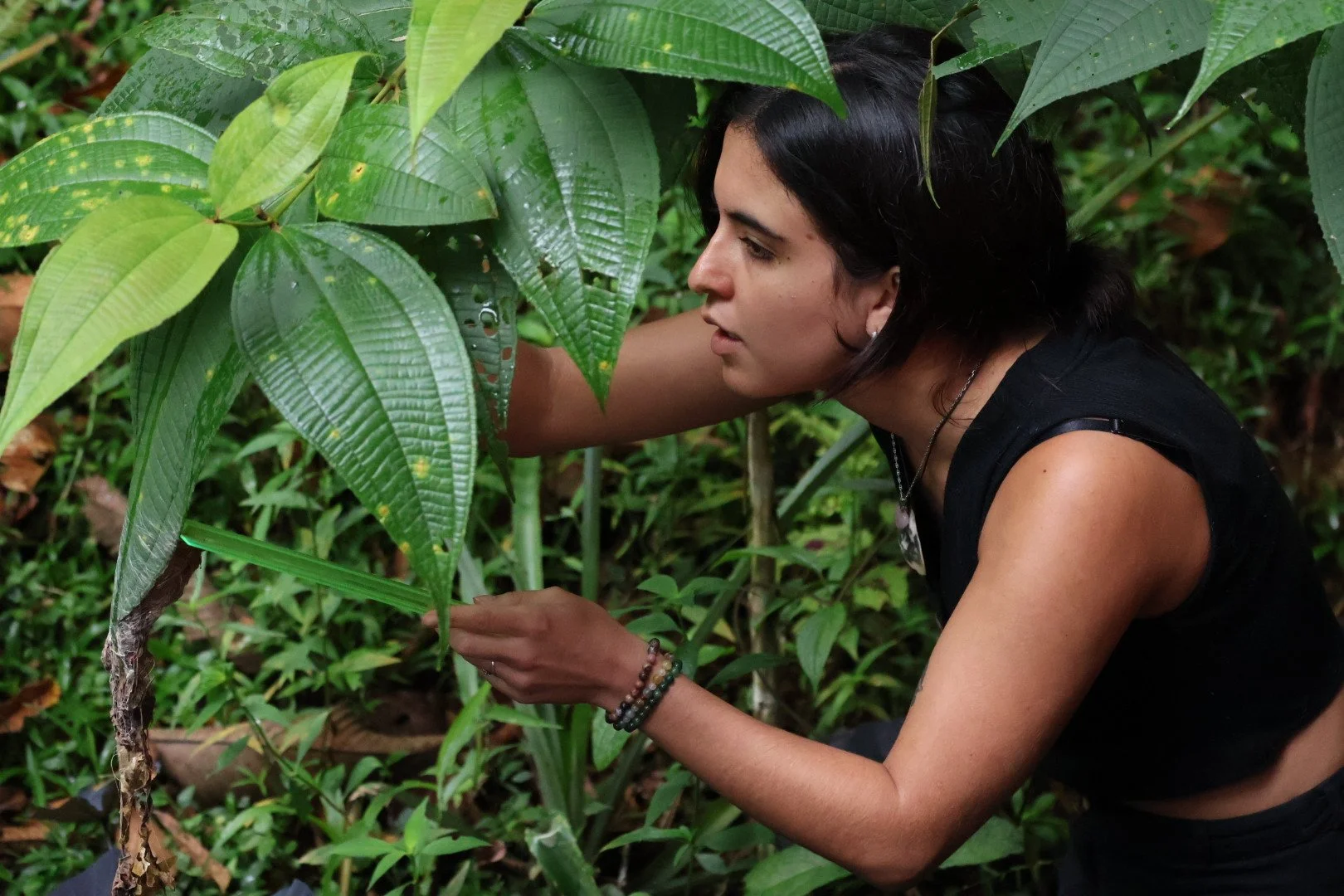
At Ritmo del Río, we're a Spanish school in nature near Medellin, but we're also a 14-hectare protected jungle reserve . We've transformed an old cattle and coffee farm into a thriving ecosystem—a tropical food forest and organic farm with the river El Macanal flowing through the property .
Here's why this matters:
Your Stay Supports Regeneration, Not Just Learning
When you choose to learn Spanish in a nature reserve, you're directly supporting conservation. Your presence helps protect:
Pumas, ocelots, armadillos, and endangered white-footed tamarins (Titi Gris) that live in our reserve
A biological corridor that connects forests and allows animals to move freely
An ecosystem that has been restored from degraded cattle land
The Farm-to-Table Difference
Our restaurant serves vegetables, herbs, fruits, fish, eggs, and chicken from our own organic farm . That means:
Less long supply chains transporting food across the country
Fresh, local, seasonal meals every day
A lower carbon footprint
No Daily Commutes
You're already here. You wake up in the reserve, take classes in the reserve, eat meals in the reserve, and explore the reserve. There's no daily transport—no buses, no taxis, no cars.
One of the biggest contributors to education's carbon footprint is daily travel to and from the learning facility . By choosing a residential immersion program in a nature reserve, you eliminate that entirely.
Travel That Gives Back
We know that getting to Colombia has a cost. But we also believe that when you choose the right experience, your presence can do more good than harm.
At Ritmo del Río, your stay directly supports:
Conservation of endangered species
Protection of a biological corridor
Restoration of degraded land
Sustainable farming practices
Scientific monitoring and research
You're not just learning Spanish. You're helping heal the land.
Why This Matters to Conscious Travelers
Today's travelers are looking for more than a vacation . They want connection, purpose, and meaningful impact . They want to travel consciously.
In Colombia, there's a growing movement toward responsible tourism.
Ritmo del Río is part of this movement. We're not just a Spanish school. We're a regenerative tourism hub where learning and conservation go hand in hand.
Ready to learn Spanish while making a positive impact? (and living next to the most beautiful river!)
Source: The ICAO carbon emissions calculator estimates that a round-trip flight from Bogotá (Colombia) to Doha (Qatar) with a stop in Miami emits 1,438 kg (1.4 tons) of CO₂ per passenger in economy class . A Europe–Colombia route is comparable for long-haul emissions.
Note on citations: The ICAO figure comes from a National Geographic article published in 2022.
